Learn why America hasn't bought bitcoin for its strategic reserve yet
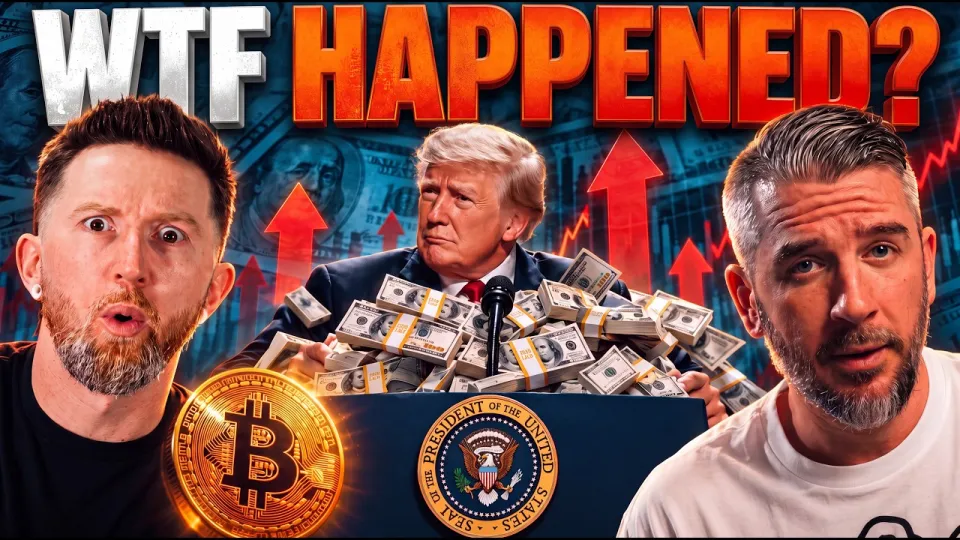
Video: LEAKED: Here's The REAL Reason America Hasn't Bought Bitcoin For its Strategic Reserve...
Need articles like this for your video? They help promote it on YouTube and Google — order them in the Telegram bot @sat_sit_bot. Articles with your video embedded are written and posted by the bot itself — on popular topical sites (no ads). Your first 50 articles are free.
· based on the channel Simply Bitcoin
Key takeaways
- The US Strategic Bitcoin Reserve, established by executive order in March 2025, currently holds only seized bitcoin and has made no open-market purchases.
- Budget neutrality is the main obstacle: any purchase must not increase the federal deficit, requiring offsetting spending cuts or asset sales.
- Political caution is high because bitcoin remains volatile and controversial; lawmakers fear backlash if prices fall after a purchase.
- Market impact is a concern: a large US buy order could front-run by traders and cause excessive volatility.
- A small pilot purchase (e.g., $1–5 billion) is seen as a potential first step to test logistics and signal commitment.
The United States has not bought bitcoin for its Strategic Bitcoin Reserve because the program is designed to be budget-neutral, and no funding mechanism has been approved by Congress. Political caution and worries about market impact have also kept the government from making open-market purchases. The reserve, created by executive order in March 2025, so far holds only bitcoin seized in criminal cases.
What is the US Strategic Bitcoin Reserve and why hasn't it bought bitcoin?
The Strategic Bitcoin Reserve is a US government stockpile of bitcoin, established by an executive order in March 2025. It currently consists solely of bitcoin forfeited in criminal proceedings. The key reason it hasn't bought more is the budget-neutrality requirement: any purchase must not increase the federal deficit, so it would need to be funded by offsetting spending cuts or asset sales. So far, no such funding has been authorized.
The budget-neutrality rule that blocks purchases
Budget neutrality means that any new federal spending must be offset by savings elsewhere or by new revenue. For bitcoin purchases, this could be achieved by cutting other programs or selling other government assets. However, reaching a political consensus on such offsets is difficult. As a result, the reserve has not received any appropriated funds for buying bitcoin.
Political and market risks that keep the US on hold
Politicians are wary of bitcoin's price volatility. A high-profile purchase followed by a price crash could become a political liability. Additionally, a large government buy order could be front-run by traders, driving up the price before the government completes its purchase. This market-impact concern makes officials cautious about executing large purchases.
What could trigger the first US bitcoin purchase?
Several developments could prompt the US to start buying bitcoin:
- Congressional appropriation: Lawmakers could pass a bill that explicitly funds bitcoin purchases with offsetting spending cuts.
- Asset reallocation: The Treasury could sell other assets, such as gold, to fund bitcoin purchases without increasing the deficit.
- Pilot program: A small-scale purchase (e.g., $1–5 billion) could be authorized to test logistics and signal commitment.
- Favorable market conditions: A prolonged period of low volatility and stable prices might reduce political risk.
How the crypto community views the delay
The crypto community is divided. Some see the delay as a prudent, strategic move to avoid disrupting markets and to ensure long-term credibility. Others view it as a lack of political will and a missed opportunity to establish the US as a leader in bitcoin adoption. The debate often centers on whether the government should treat bitcoin as a reserve asset similar to gold.
Key takeaways for bitcoin investors
Investors should watch for legislative signals, such as bills proposing to fund the reserve or reallocate assets. The budget-neutrality constraint means that any purchase will likely be modest and carefully structured. Until then, the reserve will continue to hold only seized bitcoin, and no new buying is expected in the near term.
Conclusion: the path forward for the Strategic Bitcoin Reserve
The US Strategic Bitcoin Reserve remains a stockpile of seized assets, not an active buyer, due to budget neutrality, political caution, and market-impact concerns. A congressional funding mechanism or asset reallocation could unlock purchases, but no such move is imminent. For now, the reserve's growth depends on forfeitures, not open-market buys. This analysis is based on the Simply Bitcoin video breakdown.
Questions & answers
Why hasn't the US government bought bitcoin for its Strategic Reserve yet?
The main reason is the budget-neutrality requirement: any purchase must not increase the federal deficit, and Congress has not approved offsetting funding. Political caution about bitcoin's volatility and concerns about market impact also play a role.
What would it take for the US to start buying bitcoin?
A congressional appropriation with offsetting spending cuts, a reallocation of other assets (like gold), or a small pilot program could trigger purchases. Favorable market conditions might also reduce political risk.
How much bitcoin does the US Strategic Bitcoin Reserve currently hold?
The reserve holds only bitcoin seized in criminal cases; the exact amount is not publicly disclosed. It has not made any open-market purchases.
Is the US government's delay in buying bitcoin a bad sign for crypto?
Not necessarily. Some see it as a prudent, strategic approach to avoid market disruption and ensure long-term credibility. Others view it as a lack of political will, but the reserve's existence itself signals a shift in official attitudes toward bitcoin.
Source: LEAKED: Here's The REAL Reason America Hasn't Bought Bitcoin For its Strategic Reserve... · Markdown version